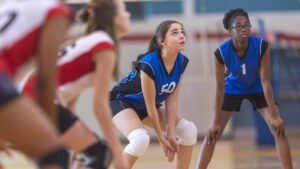
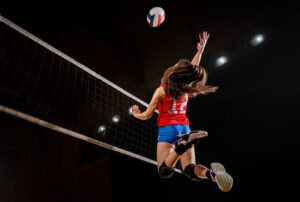
In volleyball, being a great athlete is only part of the equation. To truly excel, players must develop sharp instincts, quick reflexes, and a keen ability to anticipate their opponent’s next move. This skill — often referred to as reading the game — separates average players from the elite.
This guide will take you through everything you need to know about reading your opponent’s moves in volleyball, from the basics of body language to advanced strategic cues. Whether you’re a libero trying to predict a spike or a setter anticipating a block, these techniques will elevate your game.
Why Reading Your Opponent Matters
Volleyball is a game of split-second decisions. Every dig, block, and pass must be timed perfectly — and that requires players to think ahead. The ability to read the opponent’s intentions helps you:
- React faster and with more precision
- Position yourself more effectively on the court
- Counter attacks and set up strong plays
- Outsmart your rival through anticipation
Developing this ability takes time, practice, and attention to detail, but it can dramatically improve individual and team performance.
Understanding the Fundamentals of Game Reading
Before diving into advanced tactics, it’s important to understand what goes into reading a play. Essentially, it involves three components:
1. Visual Cues
Watch for movements in your opponent’s:
- Shoulders and hips – indicate hitting direction
- Eyes and head – reveal where they’re aiming
- Hand positioning – suggests whether it’s a spike, tip, or set
2. Patterns and Tendencies
Most players have go-to moves. By observing:
- Past serves and hits
- Which plays they use in key moments
- How they handle pressure
You can begin to predict their next move.
3. Positional Awareness
Understanding court dynamics is critical. A hitter who receives a tight set near the net may only have a few options. Recognizing these limitations helps narrow down what’s likely to happen.
How to Read Spikers
Spiking is one of the most powerful and decisive actions in volleyball — and one of the most important to anticipate.
What to Look For:
- Approach angle: A diagonal run-up may signal a cross-court shot.
- Arm swing: A fast, wide arm usually indicates a powerful spike.
- Hand shape: Open hands may indicate a tip rather than a hit.
- Body lean: A forward-leaning hitter might go down the line.
Tips to Improve:
- Study video footage of common spikers.
- Work with your blocker to coordinate positioning.
- Practice reading different types of arm swings.
How to Read Setters
Setters are often the most unpredictable players on the court. Their job is to disguise intentions and deliver the ball to the best possible attacker.
What to Look For:
- Head position: Many setters give away their target by glancing at the hitter before setting.
- Body angle: The direction of their hips often shows where the set will go.
- Tempo and rhythm: Faster movements may signal a quick set to the middle.
How to Train:
- Play small-sided games focusing on setter reads.
- Communicate with teammates — especially blockers.
- Watch professional matches and pause before the set to guess where it’s going.
How to Read Servers
Reading a server can help receivers get into position faster and reduce reception errors.
What to Watch:
- Toss height and hand contact: High toss with force usually means a powerful serve.
- Body alignment: Indicates whether the serve is going cross-court or down the line.
- Spin and ball trajectory: Early observation helps with positioning.
Practice Techniques:
- Line up in serve receive and call out serve location.
- Use game film to analyze an opponent’s favorite zones.
- Incorporate reaction drills to improve first-step speed.
Position-Specific Strategies for Game Reading
Different positions require different anticipatory skills. Here’s how each role should approach reading opponents:
🛡 Libero/Defensive Specialist:
- Watch the setter and hitter at the same time.
- Read the spiker’s shoulder and elbow angles.
- Adjust quickly to tips or off-speed hits.
🧱 Middle Blocker:
- Track the setter’s eyes and hands.
- React quickly to quick sets in the middle.
- Coordinate with the right-side blocker to form a double block.
🎯 Outside Hitter:
- Observe blockers on the opposing team.
- Use visual cues from the setter to anticipate the type of set.
- Be aware of potential back-row attacks.
🎮 Setter:
- Read the opposing block and defense before setting.
- Use deception to manipulate defenders.
- Analyze blockers’ tendencies throughout the match.
Mental Skills That Enhance Game Reading
Reading your opponent isn’t just physical — it’s also a mental skill. Elite players develop strong volleyball IQ and focus under pressure.
Develop These Mental Skills:
- Focus: Stay mentally locked into every rally.
- Memory: Remember opponents’ habits and adjust accordingly.
- Pattern Recognition: Identify repetitive behavior.
- Decision Making: Quickly translate observation into action.
Training Techniques:
- Visualization exercises
- Journaling after matches
- Mental rehearsal of specific game scenarios
Film Study: The Secret Weapon
Video analysis is one of the most underused tools in volleyball. Watching game film can drastically improve your ability to read plays.
What to Do:
- Watch with a purpose — look for habits and cues.
- Pause before the serve or set and predict what will happen.
- Replay sequences multiple times to catch subtle details.
Pro Tip:
Create a scouting report for upcoming opponents with tendencies and visual cues noted for each key player.
Practical Drills to Sharpen Your Reading Skills
Incorporating specific drills into training will help translate theory into action.
1. Shadow Read Drill:
- Coach mimics movements of a hitter/setter.
- Player reacts and calls out where they believe the ball is going.
2. Freeze Frame Prediction:
- Pause a rally at key moments (e.g., before a hit).
- Have players predict the outcome based on positioning.
3. Live Scrimmage Read-and-React:
- Stop play intermittently and ask what players saw or anticipated.
- Encourage communication between positions.
Common Mistakes to Avoid
- Ball watching: Focus on players, not just the ball.
- Guessing randomly: Anticipation should be based on observation.
- Lack of communication: Silence leads to breakdowns in coverage.
- Being flat-footed: Always stay on the balls of your feet, ready to move.
Final Thoughts: Train Your Eyes Like a Pro
Learning to read your opponent’s moves in volleyball is an ongoing process. It’s a blend of technical knowledge, tactical awareness, and constant observation. With consistent practice, film study, and in-game experience, this skill becomes second nature.
Whether you’re a beginner or an elite player, sharpening your reading abilities will give you a strategic edge and help elevate your entire team’s performance.