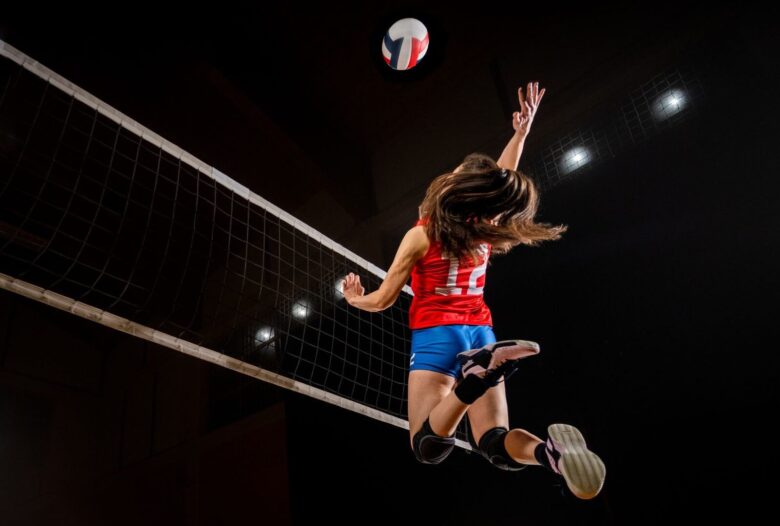
The volleyball spike is the most thrilling offensive move in the game — fast, explosive, and decisive. A powerful spike can win points, energize your team, and shake the confidence of your opponents. But while it may look simple, spiking with both power and precision requires a combination of physical strength, perfect timing, smart strategy, and constant practice.
In this comprehensive guide, you’ll learn how to break down your technique, build explosive strength, fine-tune your accuracy, and avoid common mistakes. Whether you’re new to volleyball or looking to take your game to the next level, this article will help you spike like a pro.
Why Spiking Matters in Volleyball
Spiking is not just another skill in volleyball — it’s often the most impactful part of the game. In competitive play, over 50% of points are won through attacking actions, and the spike is at the heart of that offense.
The Psychological Edge
A thunderous spike doesn’t just score a point — it energizes your team and can intimidate the opposition. Well-timed spikes can break an opponent’s rhythm, turn the tide of a close set, or silence a hostile crowd.
Control the Tempo
A strong attack forces defenders to constantly adjust. They have to reposition, guess your angles, and prepare for your next move — giving you control over the pace and pressure of the game.
Momentum Builder
Teams that spike confidently often carry that momentum across sets. Each successful attack is a psychological and strategic win.
The Anatomy of a Powerful Spike
Understanding how to spike effectively starts with breaking down its components. These four phases work together in harmony:
1. The Approach
Your approach is the foundation of your spike. It sets your rhythm, speed, and power base. A well-executed three-step approach builds momentum that transfers into your jump:
- First step (slow and balanced): Establishes your pace
- Second step (quick and explosive): Builds forward motion
- Third step (powerful plant): Loads your legs for vertical take-off
Pro Tip: Keep your arms loose during the approach, swinging them back as you plant for maximum lift.
2. The Jump
Jumping is not just about height — it’s about timing. You want to reach your peak elevation just as the ball is set. Drive your arms upward and push off the balls of your feet. A fast, aggressive arm swing helps you rise higher and with more control.
Training tip: Practice jump mechanics separately to perfect form and build vertical power.
3. The Arm Swing
This is where power is generated. Start by pulling your hitting arm back, elbow high. Rotate your torso and swing your arm forward rapidly. A relaxed but fast swing creates velocity — stiff muscles will only slow you down.
Key: Your non-hitting arm helps with balance and coordination, so don’t neglect it.
4. Contact Point
Ideally, you want to strike the ball at the highest point of your jump. Extend fully and snap your wrist downward as you make contact. This adds topspin and causes the ball to drop faster, increasing your chance of scoring.
Building Explosive Power for Spiking
Power starts from the ground up. Without a strong lower body and core, even the most perfect technique will fall short. To spike harder, you must develop strength, speed, and explosiveness through targeted training.
Lower Body Power
- Squats and deadlifts: Build raw strength in the glutes, quads, and hamstrings.
- Box jumps and depth jumps: Improve explosiveness and fast-twitch muscle response.
- Lunges with overhead press: Improve balance and full-body coordination.
Core Strength
Your core connects your upper and lower body. A strong core allows you to transfer power smoothly and stay stable in the air.
- Russian twists
- Plank variations
- Cable rotations
Upper Body Engagement
While spiking power comes mostly from your legs and core, your shoulders and arms play a key role in the swing:
- Medicine ball overhead throws
- Push presses
- Band-resisted arm swings
Recommended Routine:
| Day | Focus Area | Sample Exercises |
|---|---|---|
| Monday | Legs & Plyometrics | Squats, Box Jumps, Jump Lunges |
| Wednesday | Core & Mobility | Planks, Russian Twists, Hip Openers |
| Friday | Full Body Explosiveness | Deadlifts, Medicine Ball Slams, Band Work |
Mastering Precision: Aim, Angles, and Vision
Power without control is wasted energy. Spiking with precision ensures your attack lands where defenders aren’t — increasing your chances of scoring.
Vary Your Hitting Angles
Mixing up your shots makes you unpredictable:
- Down-the-line spike: Effective when the block is slow or misaligned.
- Cross-court spike: A go-to shot to avoid the block and target open space.
- Cut shot: A sharp diagonal hit just past the net.
- Roll or tip: Soft, strategic shots to catch defenders off guard.
Read the Block
Don’t just attack blindly. Watch the blockers — are they jumping early? Are they drifting? Recognize the seams in double blocks or mismatches in height.
Pro tip: Delay your swing a split second if you notice the blocker moving — this can open up a perfect gap.
Vision = Precision
Look for:
- Defensive positions
- Empty zones
- Shifts in coverage
Anticipating where defenders will move after the set allows you to place your spike more effectively.
Drills to Improve Your Spike
Consistent practice develops muscle memory and confidence. Add these drills to your training routine:
1. Wall Spiking Drill
- Stand a few feet from a solid wall.
- Toss and spike the ball against the wall continuously.
- Focus on form, wrist snap, and follow-through.
2. Resistance Band Approach Drill
- Attach light resistance bands to your waist or arms.
- Practice your approach and swing to develop strength and coordination.
3. Set-and-Spike with Partner
- Work with a setter or coach.
- Practice syncing your approach with the set.
- Alternate between attacking full power and aiming for targets.
4. Zone Target Drill
- Place cones or mats on the opponent’s court.
- Practice hitting different targets (line, cross, deep corners).
- This sharpens accuracy and teaches strategic decision-making.
Mental Strategies for Confident Attacking
Great spiking isn’t just physical — it’s also mental. Confidence, focus, and composure under pressure are what turn solid hitters into game-changers.
Visualization
Before matches, mentally rehearse successful spikes:
- Feel your timing.
- Picture hitting cleanly over the block.
- Imagine the ball landing untouched.
Stay Aggressive
Don’t overthink your attack — commit fully. Hesitation leads to mistimed swings and missed opportunities.
Shake Off Mistakes
Every hitter gets blocked. Don’t dwell on it. Analyze, adjust, and go again. Confidence is built by resilience.
Pro Tips from Elite Players
Watching elite spikers can teach you valuable lessons. Here’s what pros say about spiking better:
- Gabi Garcia Fernandez (Puerto Rico/USA): “It’s not just about hitting hard. I focus on timing and seeing the block. Even a soft shot can score if it’s smart.”
- Tijana Bošković (Serbia): “I work a lot on my approach consistency. Every time I jump, I want to be in control and explosive.”
- Yuji Nishida (Japan): “Jumping is my strength, but I always adjust my swing based on the block. Being flexible is key.”
Watch and Learn: Platforms like YouTube or VolleyballWorld.tv offer slow-motion replays and professional match breakdowns.
Equipment That Supports Better Spiking
While technique and strength are key, good gear can give you the edge you need — and help protect you from injury.
| Equipment | Purpose |
|---|---|
| High-grip volleyball shoes | Better traction for explosive movement |
| Jump training resistance bands | Build power and muscle memory |
| Compression arm sleeves | Reduce fatigue and prevent scrapes |
| Knee pads | Essential for floor protection |
| Training volleyball (slightly heavier) | Improves strength and contact timing |
Common Spiking Mistakes and How to Fix Them
Even skilled players make mistakes. Recognize and correct them early:
| Mistake | Correction |
|---|---|
| Jumping too early or too late | Practice timing with your setter; use delayed sets to train |
| Swinging with a low elbow | Keep elbow high during the swing for more power and better angles |
| Hitting without snapping your wrist | Add topspin for control and a faster drop |
| Repeating the same shot | Mix up your attacks to stay unpredictable |
| No follow-through | Complete the swing motion for smoother and more accurate hits |
Final Thoughts: Spiking Like a Pro Takes More Than Just Power
Spiking is one of the most exciting parts of volleyball, but it’s also one of the most complex. To truly spike like a pro, you need:
- Solid fundamentals in approach and swing
- Explosive strength from lower body training
- Smart shot selection and defensive reading
- Consistent mental focus and adaptability
Every practice session is an opportunity to sharpen your skills. Whether you’re attacking during a tight match or training in your backyard, remember: power comes from preparation, and precision comes from patience.
Start building your spike today — and soon, you’ll be the one every team fears at the net.
Explore More:
- Learn about the How to Become a Setter: Essential Skills and Drills