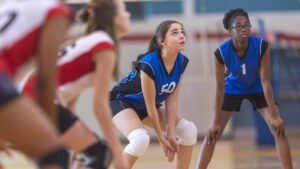
In volleyball, there’s a position that often flies under the radar, yet holds the power to control the rhythm, structure, and success of every offensive play: the setter. While hitters may score the points and liberos make dazzling saves, it’s the setter who acts as the brain of the team—deciding where the ball goes, orchestrating attacks, and keeping opponents guessing.
Becoming a great setter isn’t just about having good hands. It’s about vision, timing, and fast decision-making under pressure. Setters must read the game as it unfolds, build chemistry with teammates, and deliver consistent, accurate sets regardless of the situation. It’s a position that demands technical precision, mental resilience, and leadership—sometimes all in the same rally.
Whether you’re a coach looking to develop a new talent, a beginner exploring the fundamentals, or an experienced player hoping to refine your technique, this guide will serve as a complete roadmap. You’ll learn:
- The core responsibilities and mindset of a setter
- The physical and technical skills that make a difference
- Proven drills to build accuracy, confidence, and speed
- Tips to become a strategic leader on the court
- How to avoid common mistakes and elevate your game
This isn’t just another skills article—it’s a deep dive into the heart of what it takes to become the kind of setter that every team dreams of having on the roster. Let’s get started.
What Does a Setter Do?
The setter is often referred to as the “quarterback” of the volleyball team—and for good reason. Their decisions, timing, and technique can make or break an offensive play.
Key Responsibilities of a Setter
- Receive the Second Ball: After the serve receive or defensive play, the setter takes the second contact to set up an attacker.
- Direct the Offense: Setters decide who gets the ball, when, and how, adapting to both their team’s strengths and the opponents’ weaknesses.
- Maintain Consistency: Their job is to deliver a set that is both accurate and well-timed—on every play.
- Lead the Team: Great setters are vocal, strategic, and confident, often taking on a leadership role even without the captain’s badge.
The Skill Set of a Great Setter
While physical ability matters, the setter’s greatest strengths are often technical and mental. Let’s look at the skills that every successful setter must develop.
Technical Skills
Hand Position and Ball Handling
- Finger Pads, Not Palms: A setter uses the pads of their fingers to guide the ball, keeping hands soft but controlled.
- Neutral Hand Position: Hands should be relaxed, slightly above the forehead, shaped like a ball.
- Quick Release: Sets should be smooth and fast—no double contacts, no hesitation.
Footwork and Body Positioning
- Quick Adjustments: Good setters are always moving, adjusting to poorly placed passes with efficient footwork.
- Square to Target: Your hips and shoulders should face the direction of your set.
- Balance and Core Control: Stability is key—off-balance sets lead to inconsistent attacks.
Tactical Awareness
Reading the Defense
- Observe blocker positioning.
- Notice weaknesses (e.g., a slow outside blocker).
- Use decoy sets to keep defenders guessing.
Knowing Your Hitters
- Learn their timing and preferences.
- Communicate constantly during practice and games.
- Adjust your sets to match their rhythm and reach.
Essential Drills for Setters
Training to be a setter involves more than just setting balls. These drills help build the full range of skills required.
Individual Drills (Solo Practice)
Wall Setting Drill
Purpose: Hand positioning and repetition
How to Do It:
- Stand 5 feet from a wall.
- Set the ball against the wall continuously.
- Focus on symmetry, speed, and spin control.
- Challenge: Try 100 sets in a row without moving your feet.
Shadow Footwork
Purpose: Build foot speed and positioning
How to Do It:
- Without a ball, move from a central point to various “phantom” passes.
- Square up and mimic a set every time you reach a new spot.
- Helps internalize setter footwork patterns.
Partner and Team Drills
Target Practice
Purpose: Improve accuracy
How to Do It:
- Place hoops or cones on the court at different hitting zones.
- Have a partner toss balls from random positions.
- Your goal: Set into the target zone consistently.
Chaos Setting
Purpose: Game-like decision-making
How to Do It:
- Have players toss unpredictable passes from different spots.
- Practice reacting quickly, resetting your feet, and choosing the best set.
- Keeps your mind sharp and your body ready for anything.
Types of Sets to Master
A great setter must be versatile. Here are the main types of sets you’ll need in your arsenal:
| Set Type | Description | Ideal For |
|---|---|---|
| High Outside | High set to the left antenna | Beginner-friendly, safe |
| Quick Set | Low, fast ball near the middle hitter | Fast offense |
| Back Set | Behind the setter, often to the right side | Keeps blockers guessing |
| 31 Set | A quick, medium-height ball between zones 3-4 | Experienced hitters |
| Shoot Set | Fast, low ball to the outside | Advanced timing |
| Dump | A surprise tip over the net on second contact | Scoring on the sneak |
Physical Conditioning for Setters
Although not always the tallest or most powerful players, setters need a very specific type of fitness: fast feet, strong legs, and endless stamina.
Recommended Exercises
- Ladder drills: For foot quickness and reaction time.
- Core workouts: Planks, Russian twists, and V-ups help with balance and stability.
- Squat jumps: Develop explosive power and vertical reach.
- Agility sprints: Mimic court movements with short, high-intensity bursts.
Mental Strength and Leadership
Great setters don’t just execute plays—they inspire confidence, communicate constantly, and adapt to high-pressure situations.
Setter Mental Attributes
Communication
- Call every play out loud.
- Use hand signals if needed.
- Give clear, concise feedback to teammates.
Resilience
- Mistakes happen. Learn to reset and focus on the next play.
- Stay composed during chaos—your calm energy spreads.
Game IQ
- Understand the flow of the match.
- Know when to speed up the offense or slow it down.
- Think one or two moves ahead—anticipate, don’t just react.
Common Mistakes and How to Avoid Them
Even experienced setters fall into bad habits. Here’s how to recognize and fix the most common ones:
| Mistake | Why It’s a Problem | Fix It By… |
|---|---|---|
| Double Contact | Illegal and causes point loss | Soft hands, faster release |
| Drifting During Sets | Throws off timing and angle | Focus on footwork and staying square |
| Being Too Predictable | Makes it easy for blockers to read | Mix up your sets, use back and quick sets |
| Not Communicating with Hitters | Causes confusion and mistimed attacks | Talk to your hitters every chance you get |
| Rushing Under Pressure | Leads to mistakes and poor decision-making | Take a breath, trust your training |
Learning from the Pros
The fastest way to grow as a setter? Watch the best in the world. Analyze their moves, their choices, and their leadership.
Setters to Watch
- Bruno Rezende (Brazil): Master of tempo and deception.
- Micah Christenson (USA): Clean, technical setter with a quick release.
- Jordyn Poulter (USA): Calm under pressure, Olympic champion.
- Luciano De Cecco (Argentina): Creative and fearless.
You can watch matches on YouTube, VolleyballWorld.tv, and FIVB broadcasts. Try slowing the video down and focusing only on the setter for a few plays.
Becoming a Setter: Your Action Plan
Ready to get started? Here’s a simple checklist to guide your journey:
Weekly Setter Development Plan
| Day | Focus Area | Suggested Activity |
|---|---|---|
| Monday | Hand Technique | Wall sets + target drills |
| Tuesday | Footwork & Agility | Ladder drills + shadow footwork |
| Wednesday | Tactical Decision-Making | Watch pro match + sketch plays |
| Thursday | Game Simulation | Partner setting under pressure |
| Friday | Core Strength | Planks, leg lifts, bodyweight squats |
| Saturday | Team Play | Full scrimmage or offensive walk-through |
| Sunday | Rest & Recovery | Light stretching, reflection, or video review |
Final Thoughts
Becoming a setter is more than just learning how to send the ball to the right spot—it’s about stepping into a leadership role, developing a keen understanding of the game, and becoming the strategic engine behind every play. It’s a journey that requires patience, discipline, and a willingness to improve both physically and mentally.
Throughout this guide, we’ve explored the essential skills, movements, and mindsets that define a top-tier setter. From mastering hand placement and court positioning to developing court awareness and building team chemistry, each element plays a vital role in shaping your identity as a setter. We’ve also outlined specific drills and training routines that, if practiced consistently, will help you grow from a basic ball distributor to a confident floor general.
But remember: growth as a setter doesn’t happen overnight. The best setters in the world have spent years fine-tuning their skills, analyzing plays, and building trust with their teammates. They’ve made mistakes—and learned from them. They’ve studied other setters. They’ve put in extra reps after practice. And they’ve stayed mentally strong in the face of pressure and adversity.
If you commit to that same journey—one of constant learning, honest self-assessment, and purposeful repetition—you’ll find yourself improving with every match. And more importantly, your team will grow with you.
So whether you’re just beginning or already well into your volleyball career, remember this: the role of the setter isn’t to shine alone—it’s to make everyone else shine brighter. And that, in itself, is the true mark of greatness.