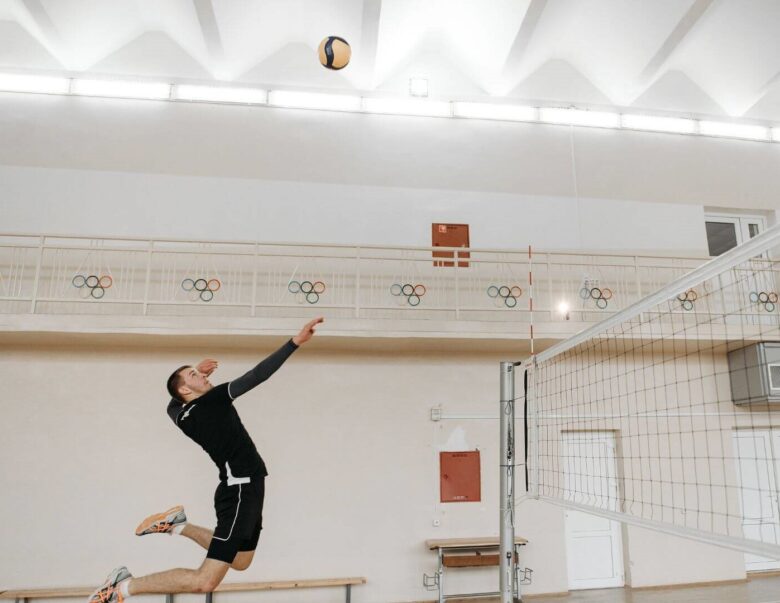
Serving is one of the most crucial skills in volleyball, acting as the very first line of offense in every rally. A well-executed serve does more than just put the ball in play—it can dictate the momentum of the game, disrupt the opponent’s formation, and even secure quick points through aces. A strong serve is a blend of precision, power, and strategy, making it an essential skill for any serious player.
The art of serving is more than just hitting the ball over the net. It requires careful coordination of body mechanics, consistent technique, and mental discipline. From perfecting your toss to generating explosive power from your core, every detail matters. Whether you’re a beginner seeking consistency or an advanced player aiming for devastating accuracy and speed, there is always room to refine and elevate your serving game.
In this comprehensive guide, we’ll break down the different types of volleyball serves, explain key mechanics for power and control, and offer expert drills and strategies to enhance your serving performance. By the end, you’ll have a deeper understanding of how to execute the perfect serve and gain a competitive edge on the court.
Understanding Different Types of Volleyball Serves
A strong and precise serve can destabilize even the best defensive formations, turning the tide of a match in an instant. It is the first opportunity a player has to take control of the game, forcing the opponents into a difficult receiving position and potentially securing an ace.
In volleyball, there are various serving styles, each with distinct characteristics that cater to different playing strategies. Some serves focus on power, overwhelming the opposing team with sheer speed, while others emphasize placement and unpredictability, making it challenging for the receivers to react effectively. The ability to master multiple serving techniques adds a dynamic element to a player’s skill set, allowing for adaptability in different game situations.
Let’s break down the different types of serves used in volleyball, highlighting their advantages, execution techniques, and when they are most effective. Whether you are a beginner looking to establish consistency or an advanced player aiming to refine your technique, understanding the nuances of each serve can provide a significant competitive edge.
1. Underhand Serve
This is the most basic serve and is often used by beginners. It is easy to control but lacks speed and power.
- How to Execute: Hold the ball in one hand, swing the other arm under the ball, and hit it with an open hand.
- Best Used When: You need a reliable, consistent serve to get the ball in play.
- Pros: Easier for beginners, consistent, and requires less strength.
- Cons: Limited power and predictability make it easier for the opponent to receive.
- Pro Tip: Focus on consistency and gradually increase the speed to transition into more advanced serves.
2. Overhand Serve
A more advanced serve that allows for greater speed and precision.
- How to Execute: Toss the ball above your head, strike it with an open hand, and follow through with your arm motion.
- Best Used When: You want to increase serving speed and accuracy.
- Pros: Faster and more challenging to return.
- Cons: Requires a good toss and proper timing.
- Pro Tip: Make sure your toss is consistent and practice hitting the ball at the highest point of contact.
3. Jump Serve
A powerful and aggressive serve used by advanced players.
- How to Execute: Take a few steps for momentum, toss the ball high, jump, and hit it with force.
- Best Used When: You want to put significant pressure on the receiving team.
- Pros: Can generate high speeds, making it difficult to return.
- Cons: Requires significant strength, timing, and coordination.
- Pro Tip: Develop explosive leg power through plyometric training to enhance your jump serve.
4. Float Serve
A serve that moves unpredictably in the air, making it difficult to receive.
- How to Execute: Strike the ball with a firm, flat hand, avoiding spin.
- Best Used When: You want to disrupt the opponent’s rhythm.
- Pros: Difficult to read due to its unpredictable movement.
- Cons: Requires precise hand positioning.
- Pro Tip: Focus on hitting the ball dead-center to achieve the ‘floating’ effect.
5. Topspin Serve
A serve that drops quickly due to the forward spin applied.
- How to Execute: Brush your hand over the top of the ball, creating a topspin effect.
- Best Used When: You want a fast, controlled serve that drops quickly into the opponent’s court.
- Pros: Fast and difficult to handle if executed properly.
- Cons: Can be predictable if the opponent is experienced.
- Pro Tip: Work on wrist snap motion to generate maximum topspin.
Key Mechanics for a Powerful and Accurate Serve
1. Proper Stance and Balance
- Keep feet shoulder-width apart.
- Distribute weight evenly to maintain stability.
- Position the non-dominant foot slightly forward.
- Maintain a relaxed posture to allow fluid movement.
- Engage your core for better control and power.
2. Ball Tossing Techniques
- Toss the ball consistently to ensure accurate contact.
- Avoid tossing too high or too low.
- Keep the toss in front of your striking shoulder.
- A good toss is critical for a controlled and powerful serve.
- Experiment with toss height for different serve types.
3. Contact Point and Follow-Through
- Hit the ball with the palm or fingers depending on the type of serve.
- Follow through with your arm to ensure direction and speed.
- Keep your wrist firm for control.
- The follow-through should be natural and controlled.
- Maintain eye contact with the ball until the point of impact.
4. Generating Power from the Core
- Engage core muscles for added strength.
- Utilize leg drive and shoulder rotation to maximize force.
- Transfer weight from back to front foot smoothly.
- Work on core stability exercises to improve serving power.
- Strength training can enhance overall performance.
Advanced Drills to Improve Your Serve
Accuracy Drills
- Target Serving: Place cones or markers on the court and aim to hit them.
- Wall Target Drill: Serve against a wall, aiming for a specific height and spot.
- Cross-Court Drill: Aim serves to different zones on the court to practice control.
Power Drills
- Resistance Band Training: Strengthen shoulder and arm muscles using resistance bands.
- Medicine Ball Throws: Improve explosive power with overhead medicine ball throws.
- Plyometric Push-ups: Help develop upper body strength for more powerful serves.
- Jump Rope Exercises: Improve foot speed and coordination for jump serves.
Consistency Drills
- Repetition Sets: Serve 50–100 times in a row with a focus on form.
- Partner Feedback Drill: Have a partner analyze and give feedback on your technique.
- Video Analysis: Record your serves and analyze your form for areas of improvement.
- Mindfulness Training: Stay focused and avoid overthinking during serves.
Mental Strategies for Serving Success
Staying Focused Under Pressure
- Take a deep breath before serving to calm nerves.
- Visualize a successful serve before executing it.
- Develop a consistent pre-serve routine.
- Block out distractions and focus on the ball.
- Build mental resilience through game simulations.
Developing Confidence in Your Serve
- Confidence comes from practice. The more you serve, the more comfortable you’ll be.
- Trust your technique and don’t overthink the motion.
- Accept that mistakes will happen and learn from them.
- Learn from professionals by watching game footage.
Common Mistakes and How to Fix Them
| Mistake | Cause | Solution |
|---|---|---|
| Inconsistent toss | Tossing too high or low | Practice controlled, consistent tosses |
| Weak serve | Lack of body engagement | Use legs and core for added power |
| Serve going out of bounds | Poor aim or follow-through | Adjust stance and wrist control |
| Lack of speed | Slow arm movement | Accelerate arm swing and follow through |
| Poor accuracy | Incorrect hand contact | Focus on hitting the center of the ball |
| Nervous serving | Lack of confidence | Develop a pre-serve routine and stay calm |
Conclusion
Mastering the perfect volleyball serve requires technical precision, power, and mental toughness. A great serve isn’t just about getting the ball over the net—it’s about controlling the game, putting pressure on opponents, and increasing your team’s scoring opportunities. Every serve is a chance to dictate the tempo of the match, and with the right approach, you can turn this fundamental skill into a powerful weapon.
By understanding different serving techniques, refining your mechanics, and incorporating specialized drills into your training routine, you can elevate your game and become a formidable server. Whether you’re working on your underhand serve for consistency or refining a jump serve for maximum power, every player has room for improvement. Mental discipline also plays a crucial role in mastering the serve; learning to maintain confidence and focus under pressure is what separates average servers from elite ones.
Remember, consistency is key—serve execution isn’t just about raw power, but also about reliability and placement. Keep practicing, refine your approach based on feedback and results, and develop a serve that not only scores points but also keeps your opponents on edge. With dedication and smart training, your serve will become one of the most valuable assets in your volleyball arsenal.
Whether you’re aiming for a jump serve with incredible speed or a float serve that keeps your opponents guessing, refining your skills with dedicated training will lead to improvements on the court. Keep pushing your limits, and soon, your serve will become one of your greatest weapons in volleyball!