Why Your Choice of Volleyball Matters
While it may seem like just a ball, choosing the right volleyball can drastically impact your game experience—whether you’re spiking competitively indoors or playing a casual match at the beach. The ball you use affects your control, power, accuracy, and even how enjoyable the game feels.
Using a ball that doesn’t fit your environment or skill level can lead to frustrating play. It may bounce erratically, cause hand discomfort, or wear out too quickly. A well-matched ball, on the other hand, helps improve your technique and enhances your overall comfort and enjoyment.
Not all volleyballs are created equal. Differences in size, weight, material, and construction determine whether a ball is suitable for indoor courts, sand play, or training purposes. Knowing these differences helps you invest in the right equipment for your playing style and environment.
Understanding the Types of Volleyballs
Indoor Volleyballs vs. Outdoor (Beach) Volleyballs
The first step in selecting the perfect volleyball is understanding the key differences between indoor and outdoor models. These differences affect not only how the ball performs but also how long it lasts under different playing conditions:
| Feature | Indoor Volleyball | Outdoor (Beach) Volleyball |
|---|---|---|
| Surface | Smooth and compact | Slightly rough, textured to resist sand |
| Weight | Heavier (around 9.2–9.9 oz) | Lighter (approx. 8.1–9.0 oz) |
| Material | Composite leather or microfiber | Softer, water-resistant synthetic leather |
| Size | Slightly smaller (65–67 cm) | Slightly larger (66–68 cm) |
| Pressure | Higher internal air pressure | Lower pressure for better float in air |
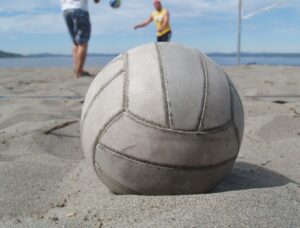
Indoor balls are optimized for speed and precision, making them ideal for quick passes, hard spikes, and controlled serves. Outdoor balls are built to handle environmental elements like wind, sand, and moisture. Their lighter weight allows for more buoyant flight, especially in windy conditions.
Training vs. Match Balls
- Training Balls: Typically more durable, ideal for repeated drills, and may be slightly heavier to build strength and control. These balls are often used in school or practice settings because they can endure frequent contact and rougher handling.
- Match Balls: Designed for official games, offering precise weight, balance, and flight consistency. Match balls are made with higher-quality materials and tighter quality control to ensure accuracy and professional performance during competition.
Official Volleyball Standards
If you plan to play in organized leagues or competitions, make sure your ball meets the standards of governing bodies like:
- FIVB (International Volleyball Federation)
- NFHS (National Federation of State High School Associations)
- NCAA (U.S. College Volleyball)
These standards regulate:
- Circumference (65–67 cm for indoor)
- Weight (260–280 g)
- Air pressure (4.26 to 4.61 psi)
- Panel count and construction (usually 18 panels for official play)
Using a non-compliant ball can disqualify it from official games and may negatively affect training consistency if you’re preparing for competitive play.
Top Volleyball Brands and Their Best Models
Each brand offers unique features and technologies that cater to different types of players. Let’s take a closer look at the leading models in 2025:
| Brand | Model | Best For | Key Features | Price Range |
|---|---|---|---|---|
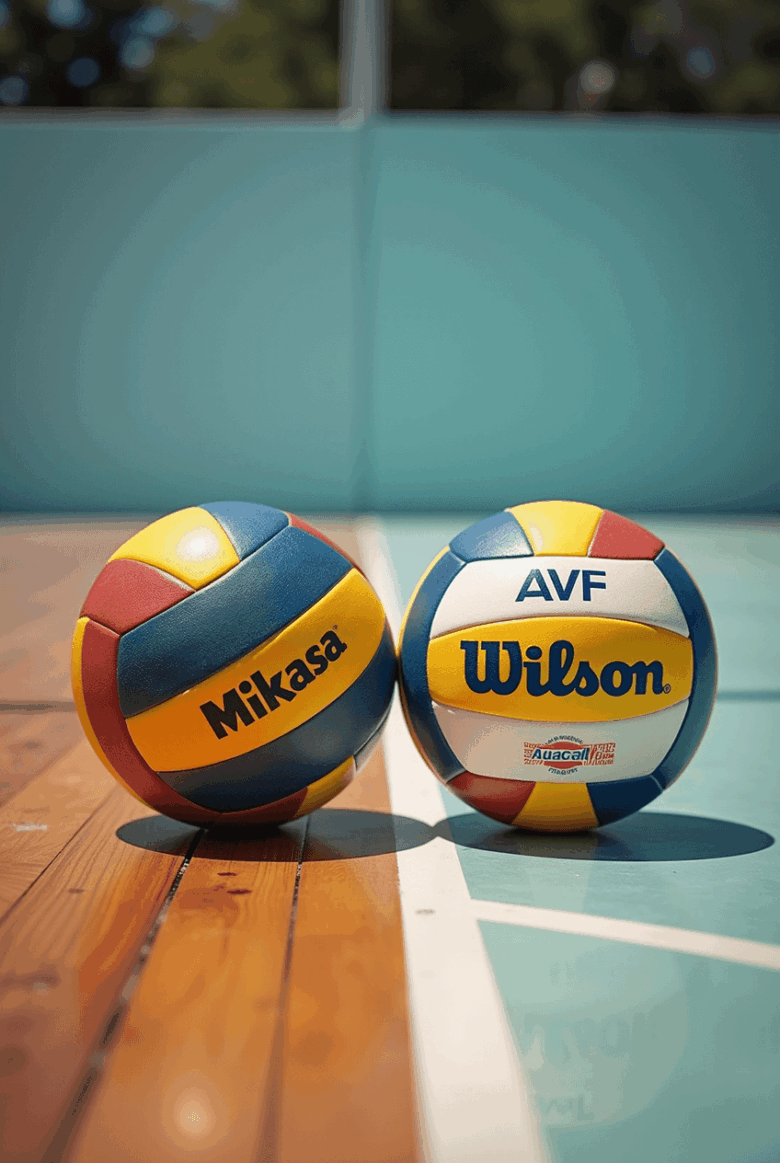
| Mikasa | V200W | Indoor pro play | FIVB official ball, dimpled surface for grip, 18-panel design | $60–$75 |
| Molten | FLISTATEC V5M5000 | College/NCAA play | Flight Stability Technology, microfiber cover | $55–$70 |
| Wilson | AVP Official Beach Ball | Outdoor/beach | Optic Flow graphics, textured surface, water-resistant | $45–$60 |
| Tachikara | SV5W Gold | High school & training | Dual bladder system, soft composite leather | $40–$55 |
| Spalding | King of the Beach | Casual outdoor play | All-weather composite, soft feel | $30–$50 |
Each of these balls is designed with a specific type of player and game environment in mind. For example, Mikasa’s V200W has a dimpled texture to reduce air resistance, making it a favorite among professional indoor athletes, while Wilson’s AVP ball is crafted for sand, sun, and unpredictable beach conditions.
How to Choose the Right Volleyball Based on Your Needs
1. Are You Playing Indoors or Outdoors?
- Indoors: Choose a ball with a firmer build, higher air pressure, and a composite leather surface for better control and faster play.
- Outdoors: Opt for water-resistant, textured balls that can handle sun, sand, and moisture. These balls should have slightly lower pressure for improved float and visibility.
2. What’s Your Skill Level?
- Beginners: Softer balls with moderate weight reduce hand strain and make learning basic skills more comfortable.
- Intermediate: Look for composite balls that offer consistent bounce, soft feel, and reliable durability.
- Advanced/Pro: Invest in certified match balls with responsive touch and stable flight patterns under pressure.
3. Do You Need a Training or Competition Ball?
- Training balls: These are great for warm-ups, practice sessions, and school use. They are more affordable and built to withstand constant contact.
- Competition balls: These have finely tuned specifications and provide excellent flight control, touch sensitivity, and bounce consistency. They’re ideal for game day and tournaments.
4. Who Will Use It?
- Adults: Standard-size balls with official weight and build.
- Teens: May benefit from slightly softer materials to prevent soreness during repeated practice.
- Kids: Choose balls like the Tachikara Volley-Lite, designed with a lighter construction to encourage correct form without fatigue.
Common Mistakes When Buying a Volleyball
Avoiding common purchasing errors will save you money and frustration down the road:
- Choosing the wrong type for the surface. Using indoor balls outdoors can damage the ball quickly and affect performance.
- Ignoring inflation levels. Always inflate your volleyball to the recommended psi. Underinflated balls won’t respond properly, and overinflated balls can be uncomfortable or dangerous.
- Focusing only on price. Low-cost balls often have subpar stitching, irregular panel shapes, and poor balance, leading to inconsistent play.
- Overlooking certifications. If you’re entering a league, your ball may need to meet FIVB, NCAA, or NFHS standards.
- Neglecting grip and texture. Smooth-surfaced balls may slip more during play, while textured balls offer better handling.
Caring for Your Volleyball
Maintenance Tips
- Clean the ball regularly with a damp cloth to remove dust, sand, or sweat.
- Store in a ventilated area away from direct sunlight and moisture.
- Use a quality pump and pressure gauge to maintain air pressure at optimal levels.
- Avoid dragging the ball across hard or abrasive surfaces.
When to Replace Your Volleyball
- The outer surface begins to peel, crack, or harden.
- It starts to lose air frequently despite correct inflation.
- It becomes misshapen or doesn’t bounce evenly.
- Visible stitching damage or panel separation appears.
Taking care of your ball ensures longer life, better performance, and a more consistent playing experience.
Best Volleyballs for Beginners & Casual Players
Looking for your first volleyball? These balls are well-suited for practice and recreational use:
- Wilson Soft Play Volleyball – Cushioned surface makes it ideal for beginners learning how to bump and set.
- Tachikara Volley-Lite – Great for children and younger teens who need a lighter, easier-to-handle ball.
- Spalding Extreme Pro Wave – All-weather performance with a durable, eye-catching design.
- Mikasa VX20 Beach Classic – Designed for casual beach play, offering good float and visibility.
- Molten Recreational Volleyball – Affordable and soft-touch, suitable for indoor fun or casual backyard matches.
Each of these models balances affordability, comfort, and durability—ideal for building confidence while developing skills.
Final Thoughts
Choosing the right volleyball goes far beyond picking the ball with the flashiest design. You need a model suited to your playing environment, skill level, and personal comfort preferences. A quality volleyball enhances everything from your passing accuracy to your serve power—and most importantly, makes the game more fun.
Take the time to understand your needs and invest in a ball that aligns with your style and goals. Whether you’re gearing up for competitive league matches or simply enjoying a weekend game on the beach, the right volleyball will support your game and keep you coming back for more.
Explore More:
- Learn about the Volleyball Footwork: How to Move Faster and React Quicker